Inside The Sandbox: Sébastien Borget on How Blockchain Formalized Digital Culture
Interview
•
April 28, 2026
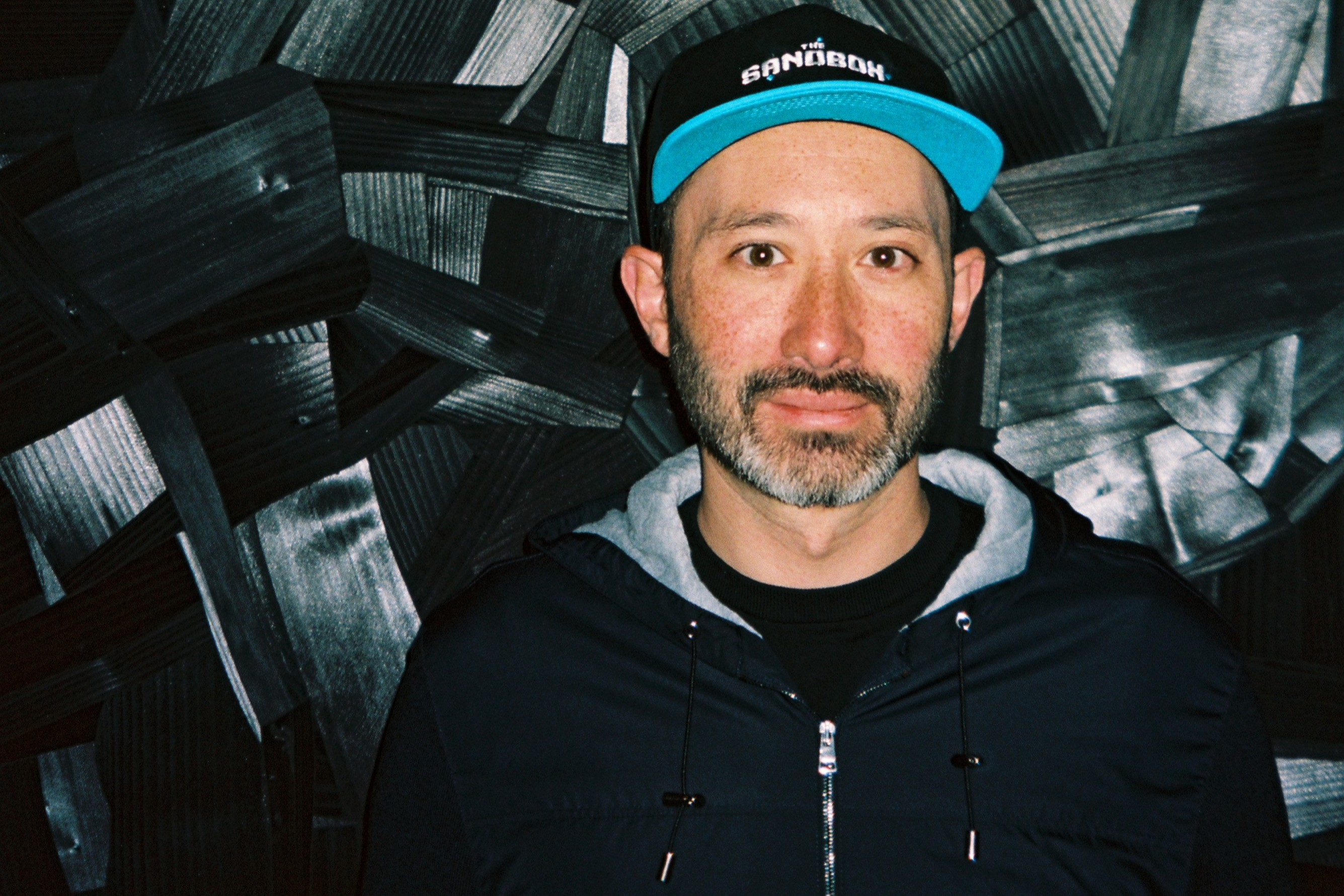
Before NFTs, wallets, and on-chain identity entered the mainstream conversation, people were already building digital lives through games, mods, fan worlds, music communities, virtual economies, and online collectibles. For Sébastien Borget, co-founder of The Sandbox, blockchain did not invent digital culture, it gave it clearer ownership, transparency, scarcity, and new ways for communities to participate in value creation. In this conversation with Bridg3, Borget breaks down what Web3 actually adds to culture, why many brands misunderstood the metaverse cycle, how music behaves differently inside virtual worlds, why user-generated content is becoming central to the future of gaming, and how platforms like The Sandbox, Artverse, Sunshine, and Kronos point toward a wider creator economy powered by identity, participation, and ownership.
Interview & Photography: Andriy Zozulya
Before Web3, culture already lived online through games, mods, fan worlds, and music communities. From your perspective, what did blockchain add to that existing cultural layer, and what did it simply formalize?
I think what blockchain first brought to culture was a form of transparency and trust around the fact that culture already existed digitally. It was already omnipresent and distributed, but there was very little visibility on where it was actually distributed, who owned what, and what value or price those digital assets, which represented cultural assets, actually had.
The technology enabled something for which there was already demand between users. For example, in gaming, for a long time there was a grey or black market where players were buying other players’ accounts, swords, and other items. They were doing it on forums, and there was basically a lot of risk carried by the buyers because they didn’t know if the account they were purchasing was actually legitimate, if it would be closed down by the game developer because that practice of buying an account or content wasn’t allowed, or if the credentials of the account could even be changed after payment.
So there was a lot of mistrust, essentially, and the risk was born by the buyers.
The same applies to art. Art already existed digitally since the 1960s, as soon as computers appeared and software enabled people to produce photos, videos, and music. We’ve seen art being made using computers, but we never had a form of proof that a piece of content could exist only in a certain number of digital replicas. Blockchain provided the solution to track scarcity by giving visibility and transparency into how many copies of that digital content actually existed in distribution and were officially sold.
From that moment on, a market could emerge much more clearly, and financial value could be attached to digital content because there was transparency around how many copies existed in the world. That scarcity created value and enabled a market to exist, with distribution also becoming much more streamlined thanks to different marketplaces.
I guess it really enhanced something that already existed in fan worlds and communities, where gamers, fans of music artists, art lovers, and art collectors could collect something, own something, and feel attached to it.
Then came a lot of other interesting side effects that blockchain accelerated. Blockchain itself became a creative medium, playing with fractional ownership, or with the idea of owning a token and becoming a stakeholder in the success of something, contributing to distribution as a community member. Sometimes it plays with the fact that something is on the blockchain itself, like generative art or fully on-chain art that can exist, at least for as long as there are computers and electricity to run it. There are many other interesting concepts as well.
The Sandbox often attracts artists, musicians, and fashion brands coming from Web2 backgrounds. What is the biggest cultural misconception they have when they first step into Web3 spaces?
I guess this is something that really evolved over time, specifically when we were able to attract a lot of brands during the metaverse boom from 2021 to 2024. Before that, it was a bit obscure for many brands to see what they could do in the metaverse or with blockchain.
Many of them didn’t know what blockchain was, or they didn’t have the necessary language within their typical ownership or contract frameworks to understand exactly what an NFT was, what they were launching, what kind of rights were associated with the ownership of NFTs, whether it was licensing rights, intellectual property, ownership, and what that meant.
The Sandbox participated a lot in shaping a better understanding for many entertainment brands, cartoons, comics, anime, and music artists when we first launched those collaborations in 2020 and 2021. I remember collaborations with The Walking Dead, Atari, Care Bears, Ubisoft, and a few others.
Then, as Web3 and the metaverse grew in public awareness, and Facebook rebranded itself as Meta in 2021, there was much stronger interest and understanding. Every brand wanted to explore and do something with the metaverse or NFTs in general.
But many did it with the idea that maybe it was very cool to do something in Web3, without having a long-term or sustainable strategy afterward on how they would maintain and implement it. So it was quite experimental for many of them.
One of the misconceptions is that just because you launch something in Web3, it will become self-sustaining, and that value deriving from an NFT collection or metaverse experience will automatically translate into high sales numbers or higher engagement from audiences.
Another general misconception was that launching something in Web3 would be self-explanatory to the audience of those brands, and that they could just launch on a platform like The Sandbox and the audience would come. Usually, it is a collaboration between The Sandbox and the brand. We promote the collaboration, obviously, but the brand also needs to engage its own audience, explain what Web3 is, explain what the metaverse is, and convince its own audience why they should go there and what they can get by being there.
The most successful collaborations we had over the years were the ones where the brand effectively took the time to build its strategy, to build that onboarding and education, and to launch something that was actually meaningful for the audience.
I remember collaborations with Snoop Dogg, Steve Aoki, and Agoria as music artists, where we took the time to educate their communities and fans about what they were launching and why.
There were also brands like Gucci and Lacoste. We had exciting collaborations with certain charities that were able to fundraise well and create positive impact, like Red Cross and UNICEF, through collaborations that were really grounded, not just experiments, and part of a bigger strategy.
A brand like Amorepacific in Korea, which is a cosmetics group, was able to successfully engage and drive more sales through a 360 marketing campaign that included social media, TikTok, Instagram, IRL presence in various pop-up stores alongside a new product launch, and a metaverse experience in The Sandbox. By playing in a world inspired by the new product and the brand, fans and users were able to discover, have fun, and also drive more sales.
That is a great takeaway. Web3 by itself is not a strategy. Going Web3 is just a new medium, a new channel that constantly needs to be fitted into a broader strategy. The community is always looking for more.
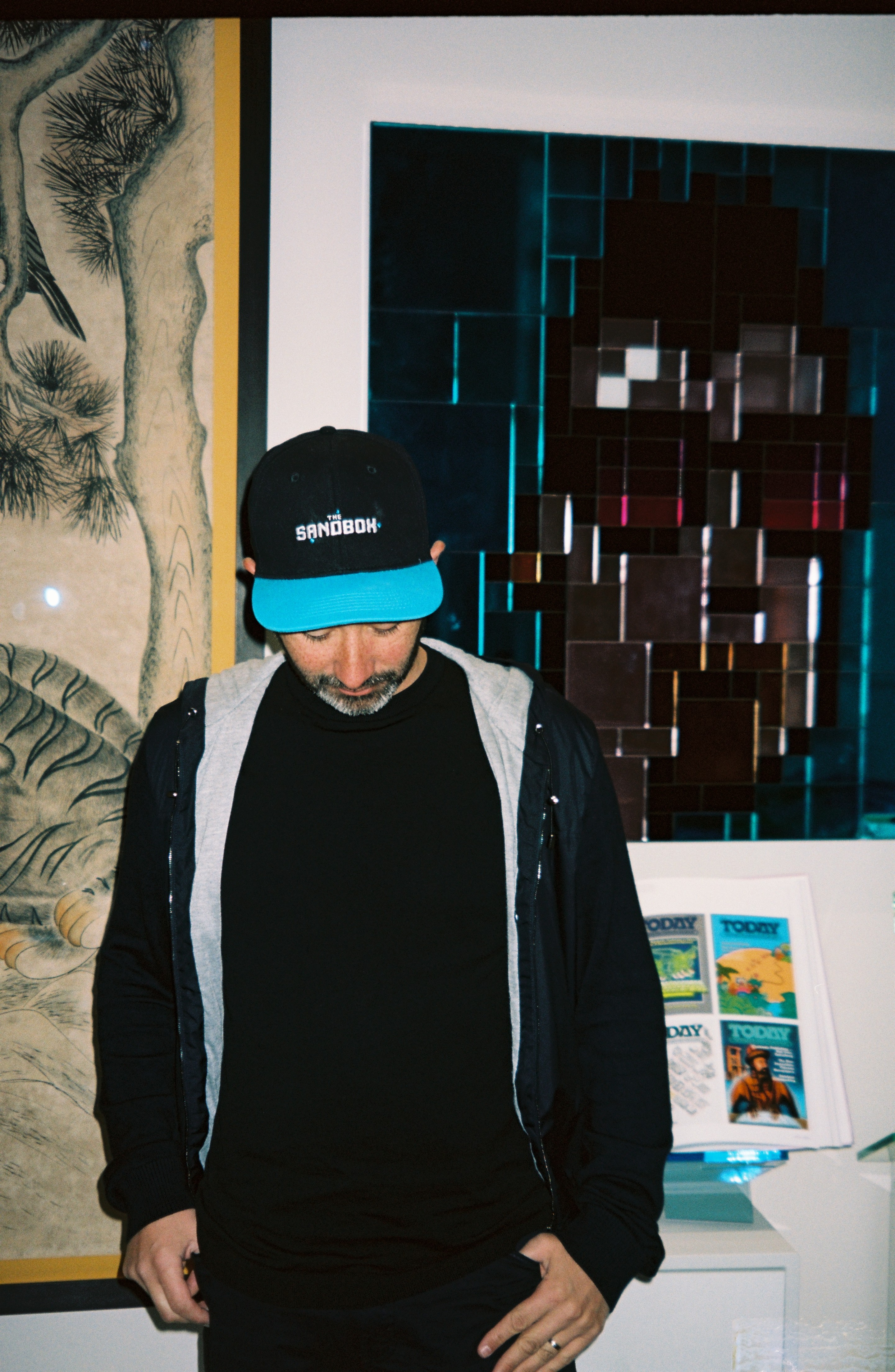
You’ve worked closely with artists who are used to galleries, stages, and physical presence. How do you translate concepts like aura, authorship, and context into digital worlds without losing meaning?
First, I guess you look at what technology enables you to do that you cannot do in the physical world.
The fact that you are able to bring your ideas and your world to life at a fraction of the cost, almost instantly, within a virtual space, enables many creative people, brands, and artists to expand their universe, to give life to their ideas, to go beyond the laws of physics, and to reach new audiences who cannot come to their concerts.
That is something that really resonated with them. The idea that we could build something that would be persistent, accessible by anyone from anywhere in the world as long as they have a computer, with a lot of visual effects and spatial effects, could allow them to go deeper in storytelling about who they are, what their brand values are, what their different stories are, how they want to tell those stories, and how they want to involve people in imagining those worlds.
Before that, what did those artists have? They had the album cover, some social media content, and usually the music video, where they tried to project listeners into their world. We’ve seen cases where artists like Daft Punk created a whole anime video, or Michael Jackson created a whole story and world around his songs, but it was never as interactive as what The Sandbox virtual world experiences provided.
The closest we had seen before was video game collaborations with brands and music artists, giving people the ability to play within the universe of their favorite brand.
Music has always been central to virtual worlds, from early games to online communities. How do you see music functioning differently in Web3 environments compared to traditional streaming or live performance?
Music is really an essential part of creating ambience and giving video games much more depth and feeling. Music reinforces the mood, the aesthetic, the tension in the action, or the moment where the player is located.
It can create a whole mood, whether it is more zen, more epic, more exploratory, or something that makes you want to play and dream. There has already been a lot of scientific research around how music influences our behavior and why, for example, in shopping malls or restaurants, playing a certain kind of music invites people to enter a shop, stay longer, or feel in a certain mood where they want to spend.
It is the same in virtual worlds. Virtual worlds are social spaces where we bring people together, and music gives them a first context, sets a mood, and facilitates the action.
What Web3 added to that is something more personal than a concert or live performance that is experienced the same way by everyone attending. Instead of having music broadcasted one-to-many, virtual experiences allow you to enter virtual concerts where you can walk around as you want, explore, pause, come back, and look around as you want. That allows for a more customized experience.
The second thing, specifically with NFTs and Web3 experiences, is that by owning certain NFTs from your favorite music artist, you might get an enhanced experience, special access to parts of the world, quests that are only available to holders, or exclusive content, which is essentially what fans are looking for.
We’ve seen examples in The Sandbox with Agoria, a French DJ and music artist who is also very involved in Web3 as an artist. He launched his own avatar collection. There were a few thousand copies of the avatar, each unique, and everyone could own one and present themselves as Agoria, or as an Agorian part of his community, while playing and exploring not just Agoria’s world, but other worlds as well.
There was an interesting twist where, depending on the time of day you were playing, the appearance of your avatar changed. It played with the idea that when you go clubbing, you maybe have a different identity than when you are in your day-to-day business life, school, or work. We have multiple faces and multiple parts of ourselves that represent our identity, and he played around with that concept.
He also offered VIP access to real-world IRL events if you were an owner in his community. He offered his own Agoria token as a reward to holders, so he started to develop a whole strategy that was successful for people who interacted in his virtual world and owned his NFTs.
We started to build this higher engagement layer for him and his fans, where he had closer contact with certain fans and could know better who the NFT holders were, who was engaging more, and he used different social channels, like Discord, to give access to NFT holders.
He is one example, but not the only one. We had successful creative collaborations with music artists like Blond:ish, Steve Aoki, and Avenged Sevenfold, the heavy metal rock group. Avenged Sevenfold created a very exciting experience for their fans during Alpha Season 3, and it was one of the most popular experiences, with half a million unique users coming to visit it that year.
"Web3 by itself is not a strategy. It is just a new medium, a new channel that needs to fit into something bigger."
The Sandbox positions creators as world-builders, not just content suppliers. How does that shift change the creative mindset for artists who come from Web2 platforms?
The positioning of The Sandbox has always been user-generated content first.
Our main mission is to empower anyone to become a creator. Since we started The Sandbox in 2011 as a mobile game, back then in 2D, even though there was no blockchain, we always had this idea that we wanted people to feel the magic of being a creator.
Through the touch of their finger, or now with a 3D drag-and-drop no-code game maker in The Sandbox, they can create something and unleash their inner creativity.
That is something brands have started to embrace more and more, opening themselves to co-creation, enabling users to build their own assets inspired by their favorite brands or characters, or using official assets and creating worlds, reveals, and spaces where they can invent their own stories and allow other people to play around with them, and even monetize that.
Back in the day, brands were chasing and trying to shut down user-generated content, seeing it as unofficial, as a way where revenue was leaking from them, or as something that did not necessarily reflect the quality of the brand.
Now they understand, with the whole wave of user-generated content from Minecraft, The Sandbox, Roblox, and Fortnite, that creators and communities can actively contribute to a brand’s success. Fans can build their own stories, and this content can often be better quality than content made by professional studios that brands would pay millions to create games for. It can help brands and characters reach more audiences and generate more revenue on the platform.
Overall, for me, user-generated content is not a trend. It is an essential part of the future of gaming. A brand that does not embrace user-generated content will not be successful over the long term compared with one that does embrace it and allows fans to interact and be rewarded for creating.
That is a big shift, and I think it is going to accelerate with the use of AI.
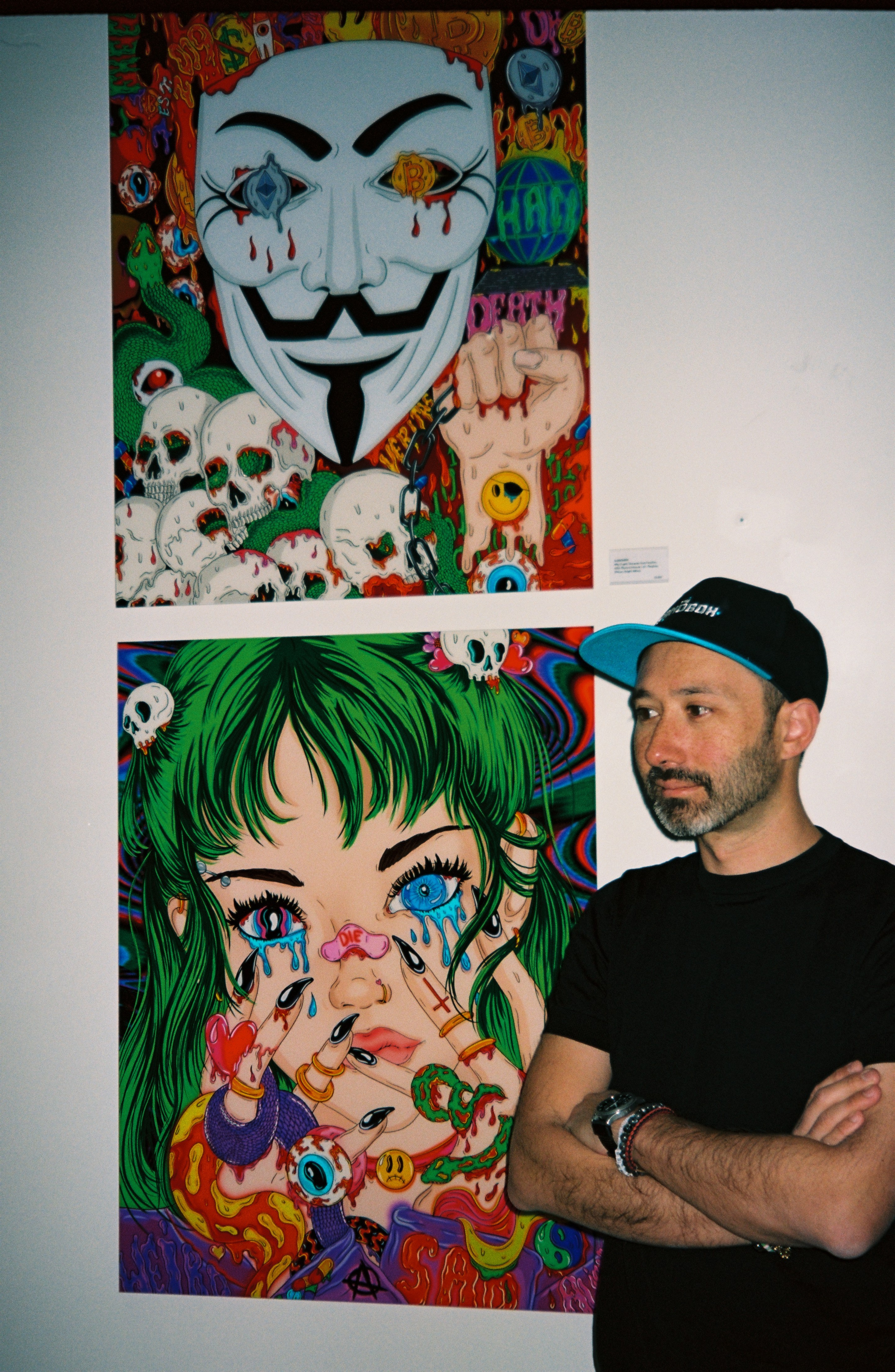
Beyond The Sandbox, you’ve been involved in initiatives like Artverse Gallery. What role do galleries, digital or physical, still play in shaping taste and curation in a decentralized art world?
I think they play a very important role.
How was Artverse born? Essentially, we wanted to bring culture into virtual worlds. We wanted people to experience culture by playing in virtual worlds.
So we started to acquire NFTs ourselves from various artists and collections and put them into worlds that were not just galleries, but actually games. Whether you were playing and visiting Snoop Dogg’s Mansion or you were in an adventure in a social hub of The Sandbox during an alpha season, as you were completing quests, you were also seeing art around you.
You were surrounded by digital art. Maybe you did not care as a player or did not pay attention. Or maybe you started to become more curious and interested.
In a way, I feel that bringing art to where people are is also a way to start educating their taste and make them feel that this is something they can be attracted to.
In the real world, you could compare it to having art only inside galleries and small spaces on one side, and then having street art, tags on walls, or art in unexpected places on the other. Sometimes you also have art in big shopping malls or in the streets. You get out of the train station in Lille, France, and you see an art installation in front of you, or you see valuable statues and public artworks.
More and more cities are starting to do this to attract tourists and show their cultural side. This is a way for people to look at things out of the ordinary and feel that art can live in a city. In the same way, art can live within virtual spaces.
It probably helps drive more audiences toward discovering those artists, maybe becoming collectors, or becoming creators themselves.
And vice versa, it also became a user acquisition strategy because the communities from certain NFT collections and artists that we acquired or exhibited also started to care about The Sandbox. They were originally collecting or following an artist, then they learned that their favorite artist was doing something or was present in The Sandbox, and they wanted to come and see.
I love that it is driven by curiosity, by the fact that something unknown is shown multiple times around us. It starts to impregnate our memory. The more you see something, the more familiar it becomes, and somehow it resonates more with you.
It actually worked. Whether within The Sandbox or later at Artverse as a physical gallery, we were able to keep educating audiences about digital art, NFTs, and crypto art, and to attract all sorts of audiences around it.
A recurring tension in Web3 is openness versus curation. When culture moves on-chain, who becomes the editor: the protocol, the community, or the curator?
Originally, the idea of Web3 was that you no longer needed the middleman. The technology enabled artists to reach buyers, collectors, and marketplaces directly, removing intermediaries and gates.
From an art market that was a very closed garden, where if you did not know the gallery or the buyer, you could not break out, the technology broke down some of those barriers. It enabled a number of artists to be discovered, to promote themselves, to find their own community, and to be financially successful selling NFTs and living on royalties.
However, today I would say it is much more nuanced.
First of all, not every artist or creator can be very talented creatively and also good at marketing, business, and promotion. Through the years, we have seen that the role of the curator, the gallery, and the marketplace is as important in the distribution of the artist as the artist himself or herself.
It is still a better and fairer market, with more transparency than the traditional art world, but it is no longer just “artist direct to collector” as the only way. Technology did not kill jobs like curators. Actually, curators evolved. They understand the technology and the fact that there are new ways to distribute and promote artists.
Artists also understand that they still need curators to be discovered and to have recognition, specifically in the institutional world. Galleries are not all going to shut down and disappear. They also play an important role in this whole market.
The fact that culture moved on-chain opened new possibilities, attracted new talent, and enabled certain artists to emerge as flagship artists in this particular on-chain medium. It lowered barriers and sometimes made fees and market practices fairer.
Overall, I think we are past that tension. There is now a recognition of the importance of each role within the value chain.
Many Web2 brands enter Web3 through spectacle or one-off activations. From what you’ve seen, what separates a meaningful cultural presence from a forgettable experiment?
I started to allude to that in one of my previous answers. What really worked for many brands entering Web3 was setting a long-term strategy, not a short-term strategy where they just do something once.
Without actual utility or a sustainable form of value given to holders, for example, tokens do not hold value over time, interest from the audience vanishes, and brands are not able to justify relevant KPIs in terms of sales or engagement.
There was a time when there was a lot of attention because everyone was doing something in Web3 and you wanted to compete for attention. But nowadays, technology is more mature and audience expectations are more mature.
I see it the same way as every technological trend. In the 90s, launching a website might have been exciting and a sufficient value proposition for a brand to stand out. Afterward, everybody had a website and it became the default.
The same with mobile apps. The first brands that had mobile apps were interesting. I remember when Flash websites came out and something made in Flash felt exciting. It is a repetition. Having content in a new form of media can create curiosity and differentiation at first, but it is not sufficient over time.
Nowadays, everybody expects a brand to have a website, a mobile app, a social presence, and a Web3 strategy. The lack of those things becomes the differentiator.
So it is not about spending huge budgets on one-off events. It is about creating something meaningful and sustained. That is what defines category winners in the technology.
“Blockchain did not invent digital culture. It gave it transparency, ownership, and a way for value to move through communities.”
There is often a gap between crypto-native audiences and culturally driven creatives. How do you personally navigate that divide when building platforms meant for both?
It is important to understand who your audience is and who you are launching for.
In the case of The Sandbox, we have a combination of creators, players, NFT holders, and investors. Of course, they are not in the same proportion. We try to appeal more to players and creators who will be here for the longer term and will engage with the product and its value proposition: fun, creation, and so on.
But we also need to have investors and NFT holders who see value in holding those assets, the SAND token, LANDs, and different NFT avatars in The Sandbox.
It is difficult to gather and always please all of them. But if you only have one category and you do not build enough product, you are more at risk.
If you only have people who are here for financial gain and who do not care about the product, creating, or participating in the platform, you are more likely to have less sustainable and more short-lived success than if you have a more balanced strategy.
So that is one thing to look for: really understanding who your audience is and how they are using and engaging with your product.
We have seen that a lot with play-to-earn games, with Telegram Open Network, its rise and how quickly some interest decreased afterward. People lost interest rapidly in certain products when they were no longer compelling enough or when the teams did not keep building.
Some products choose to be fully crypto-native and really appeal to crypto audiences, which is great, but they should understand that it is more about people who love the thrill of earning money, talking about earning money, and so on.
That is part of the success of meme culture, launchpad culture, and prediction markets right now, which are built around the thrill of making bets, earning on your bets, and sometimes losing as well. People do not talk enough about losing, but the opportunity to win big and keep iterating is interesting. It is a kind of meta-gameplay or side gameplay of the product.
You describe The Sandbox as an ecosystem rather than a product. Do you see it evolving closer to a cultural city, a medium, or an infrastructure layer?
Quite often, yes. What we see in The Sandbox is product, content, and ecosystem. This triptych is what contributed to its success, and I believe it is essential to the success of many products.
You do not have just the technology or the product. If it is empty and does not have content, it is not enough. And if you do not have an ecosystem around it that allows it to grow, scale, and acquire new users, it will not be successful.
The way I often compare it is that The Sandbox is a form of digital nation, like a country, except it does not have physical borders and physical land.
We do have virtual land. We do have governance. We do have the token, which was the first form of decentralization of the economy of that nation. We have citizens who are engaged in building value by working, participating, creating, spending time, living, and spending within that world.
That is interesting to think through. The idea of the digital nation, network world, or network state is something we are interested in. I am also interested in reading about The Network State by Balaji, as an example of how far you can push that concept.
Technology has enabled much more participation and given more ground to the whole idea behind it.
It is true that we see The Sandbox not just as one product, not just as a game or as a game-making tool. I see The Sandbox first as this digital nation and triptych, with the SAND token as the currency that can be used inside The Sandbox but also outside it.
I see LANDs and avatars as essential parts of how we develop something that is not only meant to be used within a virtual game, but can also be used to attract users and build upon.
The best example is that at the end of 2025, in October, we announced Sunshine. We are working on our own Layer 2 blockchain that utilizes the SAND token, but is not just meant to help The Sandbox virtual world and game platform. It is expanding far beyond the gaming and virtual world realm.
We also launched Kronos, an application where people can curate links, share them, be rewarded with tokens for contribution, and vote or upvote their favorite links and curators. That went live in early January 2026.
We are starting to show how The Sandbox is expanding from the virtual world and game platform it started from, which was a great way for us to grow during the past five years, into a larger ecosystem supporting the creator economy, backed by the SAND token and leveraging our assets, the game side, the brand-name side, and the brands we collaborated with before.
With Sunshine and the SAND token, I believe The Sandbox will have the ability to expand and continue to exist forever.
We started by helping creators make games, but now we want to help creators on any existing platform drive more engagement, more loyalty with their fans, and reward them for participating.
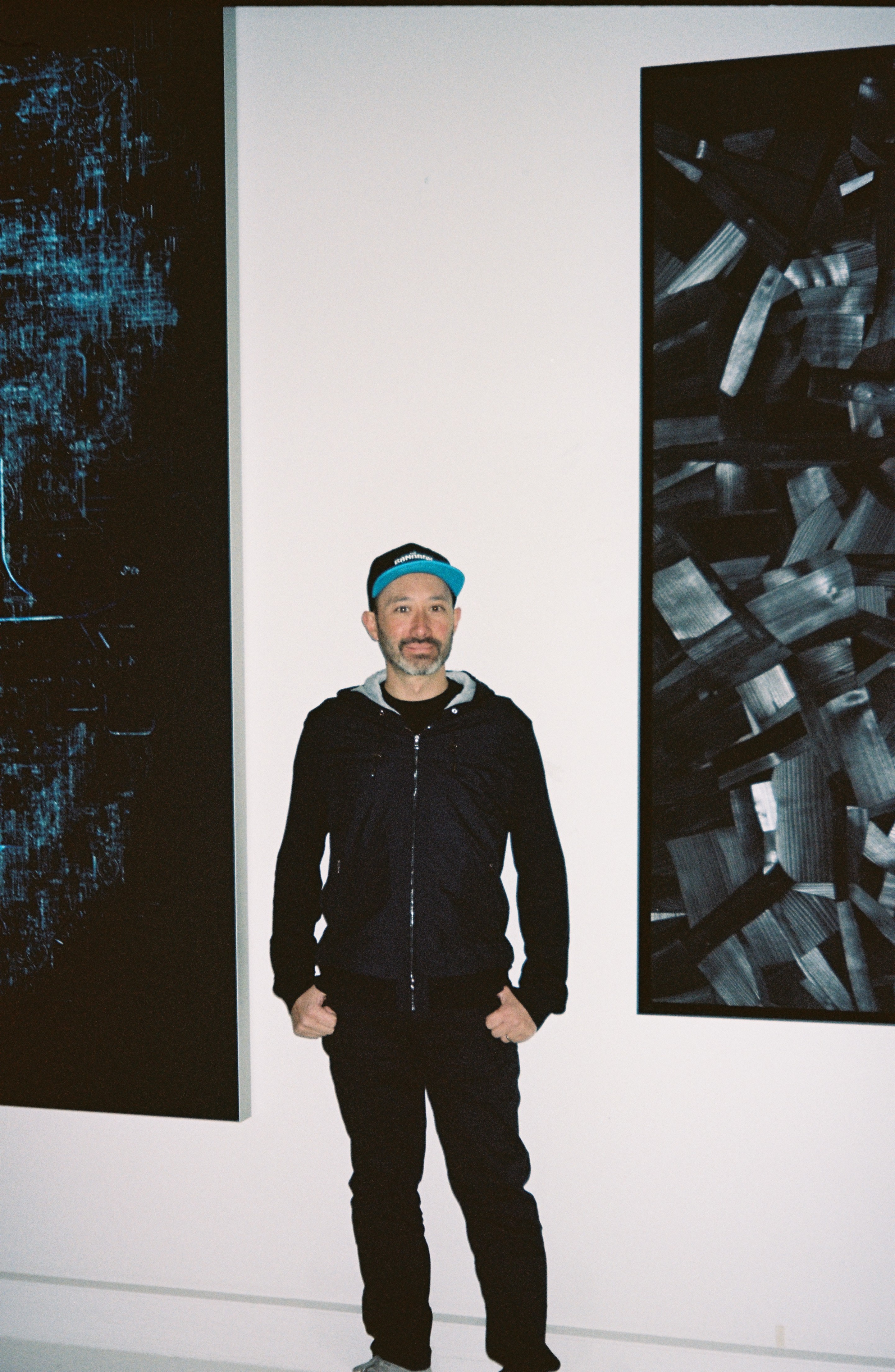
Ownership in Web3 is often discussed in technical terms. How do you think ownership reshapes identity, belonging, and long-term cultural memory for artists and fans?
I feel like our definition of who we are is very often associated with what we own, what we have, who our friends are, who our relatives are, what we have done, our reputation, our network, and our belongings.
All of that can be put on-chain.
The fact that we have a wallet with a history of transactions, tokens we own, whether they are NFTs or cryptocurrencies, things we bought, communities we joined, experiences we played, and communities we participated in, all of that defines an identity.
Our online identity is on-chain and can be used across different products and services through the wallet.
We can go further and leverage reputation. If a certain number of our actions were put on-chain, we would be able to prove whether we played certain games and reached a high level, supported or donated online, graduated from or completed an academy, and if our credentials and scores were online, all of that could contribute to building an extra level of reputation.
One day, hopefully in a very positive way, it could be leveraged to build a curriculum, access jobs, access services, and so on.
Brands looking for users with certain tastes today pay platforms like Google and Meta, who use cookies to track our behavior online: where we click, which websites we visit, our browsing, and other data they collect based on our tastes, demographics, age, country, and topics of interest.
They try to sell us products, but they do not really know who we are.
Now, thanks to on-chain identity, we could invert that. Instead of platforms monetizing us as the product, trying to understand and sell us advertising for products we might need or want, we could own our data and decide which data we want to share with brands and advertisers.
They could then offer us products and services, and we could get paid by those brands, or they could give us better discounts because they do not need to spend that marketing budget advertising products or services to us.
That is one side, and I believe it is an exciting opportunity. The advertising world will be very much transformed by that.
However, there is also a risk. We are starting to see it online now, with the US and the United Kingdom leveraging social data and looking at people’s social accounts to decide whether to restrict access to the country based on whether they have posted content that could be seen as defamatory or not appropriate according to immigration rules.
I hope the technology will end up being used in a more beneficial way for us to monetize our data, behaviors, and identity, rather than simply police where we can travel.
Looking ahead, what cultural signals in art, music, or fashion give you the strongest sense that Web2 and Web3 are genuinely converging rather than just coexisting?
I see a few.
The fact that a lot of platforms serving events and tickets are trying to make digital tickets into NFTs, as proof on-chain of your attendance at certain events, and eventually reward you for attending multiple events, is one signal.
We are also seeing more and more loyalty programs. Loyalty and rewards are the ultimate gamification format, trying to reward fans or the audience of a brand for coming often, spending more, and getting rewarded.
It is about re-engagement rather than new user acquisition.
There is a trend toward artists and brands understanding that it is easier to re-engage an existing audience than to acquire a new one. The cost of acquiring new users is usually ten times higher than re-engaging someone who already knows about you, has come across you, has done something, and eventually left.
Loyalty programs, and the fact that brands but also small individual creators or artists are thinking this way — “how do I keep engaging my audience, how do I offer something valuable to them over time as they keep following me, engaging with me, commenting on my content, watching it?” — is, for me, synonymous with Web2 and Web3 converging.
It is not just a technology reserved for Web3 people who emerge as top creators in Web3. It should work for any content creator, whether they are in Web3 or Web2, which is obviously still the majority today.
The creator economy is a 250-billion-dollar-a-year revenue industry, and it is still very Web2. It has not fully adopted the possibilities of on-chain payment and on-chain loyalty.
That gives me a lot of hope and excitement. I think this will become a new standardized model for many platforms and creators to engage, and that will be the best possible convergence between Web2 and Web3 over the next few years.
Share
Copy link